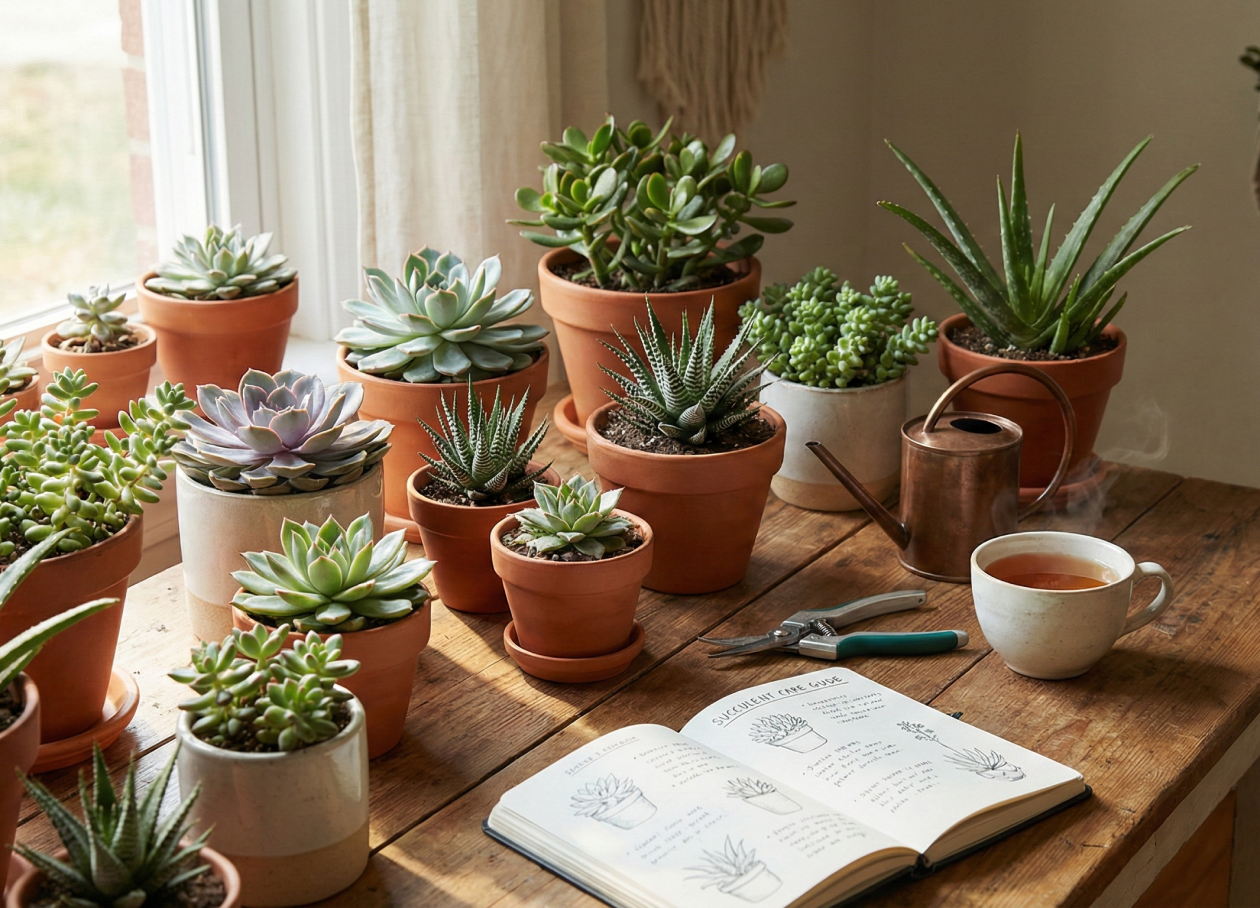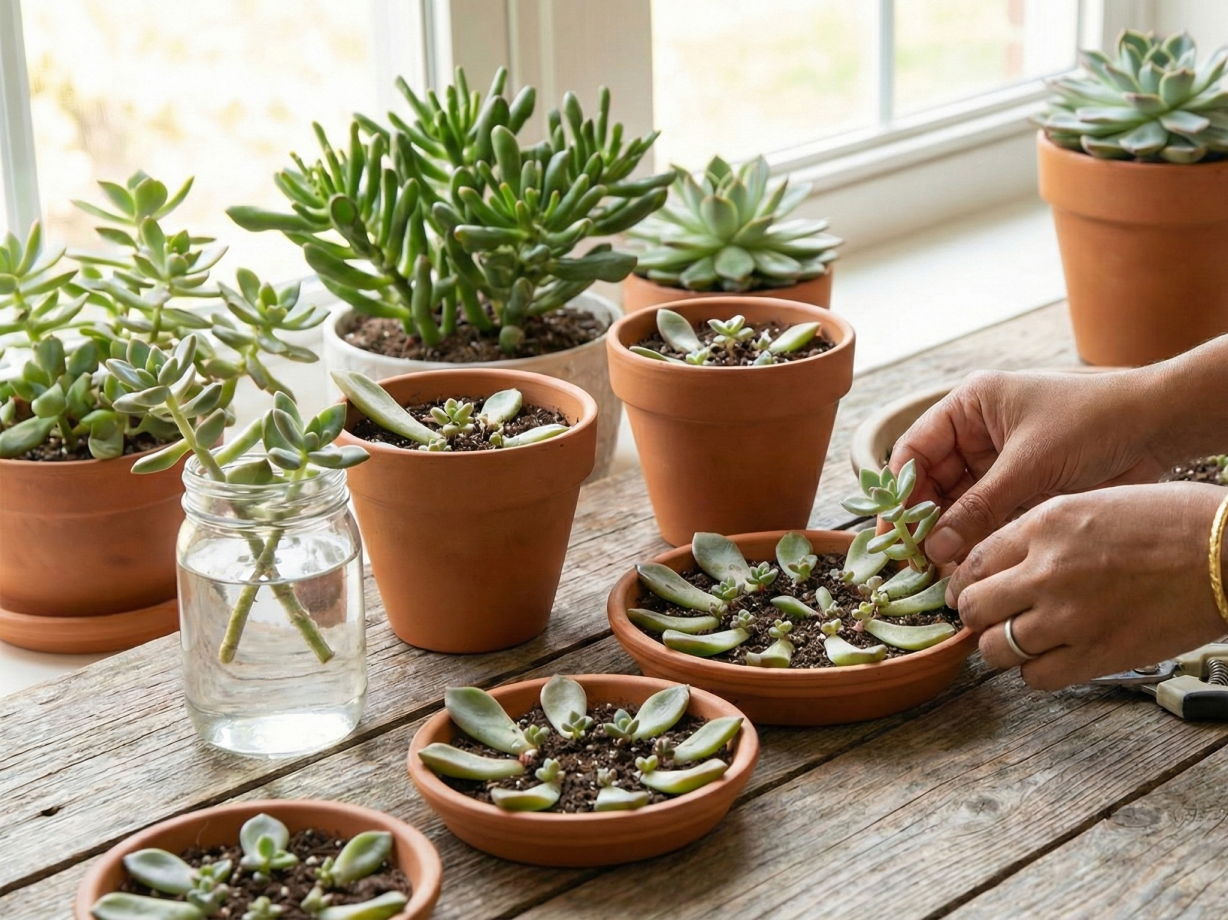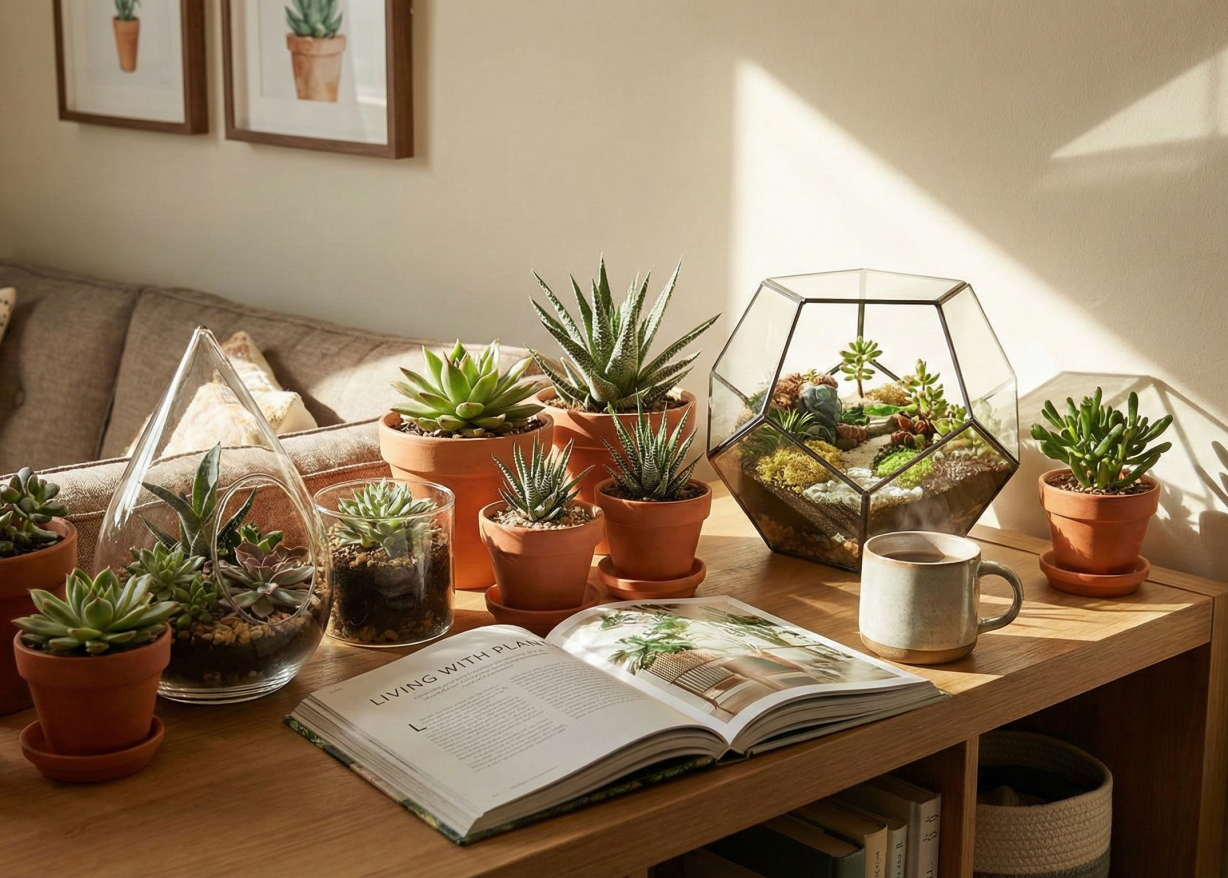



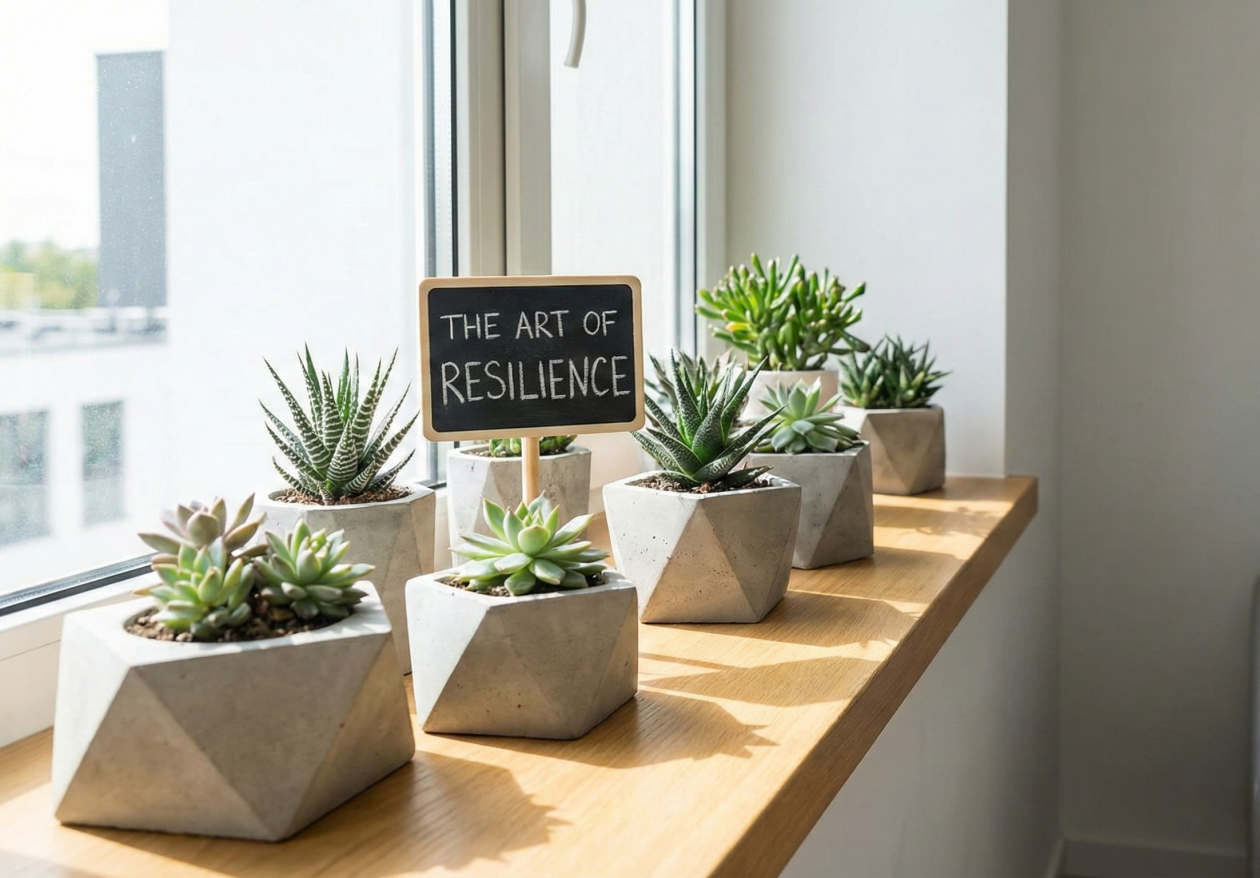
In the hustle of modern urban living—whether you are navigating the busy streets of Kolkata or rushing through a corporate job in Bangalore—there is a universal craving to reconnect with nature. We all want that touch of green in our living rooms or on our office desks. However, the reality of maintaining high-maintenance tropical plants often leads to withered leaves and disappointment.
Enter the succulent: the plant that thrives on neglect, looks like a piece of living sculpture, and fits perfectly into the modern Indian aesthetic.
At Mistileaf, we have turned our fascination with these resilient beauties into a craft. As a Kolkata-based brand dedicated to bringing nature indoors through artistically designed terrariums, we often get asked: Why are succulents so popular? and How do they survive with so little care?
Today, we are diving deep into the science and the style of the world’s most beloved low-maintenance plant.
Thriving on Neglect: The Science of Survival
To understand why succulents are the perfect plant for the busy individual, you have to look at their history. Succulents didn’t evolve in lush rainforests; they evolved in some of the harshest environments on Earth—deserts, arid cliffs, and salt pans.
The word “succulent” actually comes from the Latin word sucus, meaning “juice” or “sap.” This is the secret to their survival in minimum conditions.
1. Nature’s Storage Tanks
Unlike other plants that transport water from roots to leaves constantly, succulents have developed fleshy, thickened tissues (leaves, stems, or roots) that act as water reservoirs. When you water a succulent, it drinks greedily, storing that moisture for the long drought ahead. This is why you can go on a week-long vacation and return to find your Mistileaf terrarium looking just as fresh as when you left.
2. The CAM Process
Most plants “breathe” during the day, opening their pores (stomata) to take in carbon dioxide. In a hot desert, this would cause them to lose too much moisture. Succulents utilize a process called Crassulacean Acid Metabolism (CAM). They keep their pores closed during the scorching day and only open them at night to breathe. This evolutionary hack allows them to survive in minimum conditions that would kill a fern or a peace lily in days.
The Aesthetic Appeal: Living Sculptures
While their survival skills are impressive, let’s be honest: we love succulents because they are beautiful. In the world of interior design, succulents are unrivaled. They don’t look like wild, unruly bushes; they look like geometric art.
Minimalist Perfection
Modern interior design trends in India are shifting towards minimalism—clean lines, decluttered spaces, and intentional decor. A messy, shedding plant can disrupt this vibe. Succulents, with their architectural shapes, rosettes, and symmetry, complement modern furniture and tech-heavy workspaces perfectly.
A Palette of Colors
Green is just the beginning. Succulents come in a stunning array of colors, from dusty blues and deep purples to sunset pinks and fiery reds. At Mistileaf, we curate our terrariums to feature these contrasting colors, turning a simple glass bowl into a vibrant landscape that looks different from every angle.
Why Terrariums are the Best Home for Succulents
While a succulent in a plastic nursery pot is cute, a succulent in a Mistileaf terrarium is a statement piece.
Terrariums are essentially miniature ecosystems encased in glass. For urban dwellers in apartments where garden space is non-existent, a terrarium is a way to own a tiny world.
- The “Greenhouse” Effect: The glass enclosure helps regulate the micro-climate around the plants.
- Visual Layering: Our terrariums aren’t just about the plants; they are about the soil layers, the decorative pebbles, the moss, and the artistic arrangement. It turns a plant into a high-end decor item.
- Cleanliness: Terrariums contain the mess. There is no water leaking onto your wooden furniture and no soil spilling out.
Bringing Green to Kolkata and Beyond
Based in the heart of Kolkata, Mistileaf understands the Indian climate. Kolkata can be humid, and while succulents love dry heat, we design our open-terrarium arrangements specifically to ensure airflow, preventing rot even during the humid monsoon months.
We believe that everyone deserves a “Misti” (sweet) touch of leaf in their life. Whether you are gifting a terrarium to a friend for a housewarming or buying one to add some Zen to your work-from-home setup, you are investing in a plant that respects your time.
Quick Care Tips for Your Mistileaf Terrarium
To ensure your succulent terrarium thrives, follow the “Minimum Condition” rule:
- Light is Life: Place your terrarium in a spot with bright, indirect sunlight. A windowsill is perfect.
- ** The “Soak and Dry” Method:** Only water when the soil is completely dry. In Indian summers, this might be once a week. In winters, it might be once every two weeks.
- No Spraying: Don’t mist your succulents! They hate humidity on their leaves. Use a dropper or a small spout to water the soil directly.
Conclusion
Succulents are more than just plants; they are a lesson in resilience. They teach us that you don’t need an abundance of resources to bloom—you just need to be efficient with what you have. They are tough, adaptable, and undeniably gorgeous.
At Mistileaf, we invite you to bring this resilient beauty into your home. Explore our collection of handcrafted terrariums and discover how easy it is to keep a little piece of nature by your side, no matter how busy life gets.
If this guide inspired you to begin your succulent journey, take a look at our lovingly handcrafted terrariums at Mistileaf.
🌿 Browse our collection: https://mistileaf.com/products
Love plant inspiration and terrarium ideas?
🌿 Join us on Instagram: https://www.instagram.com/misti.leaf/